The Data Webs Woven by Login Patterns in Free Browser Multiplayer Titles and Their Quiet Role in Shaping Patch Priorities Across Gaming Media
Ines Coleman · Jun 22, 2026
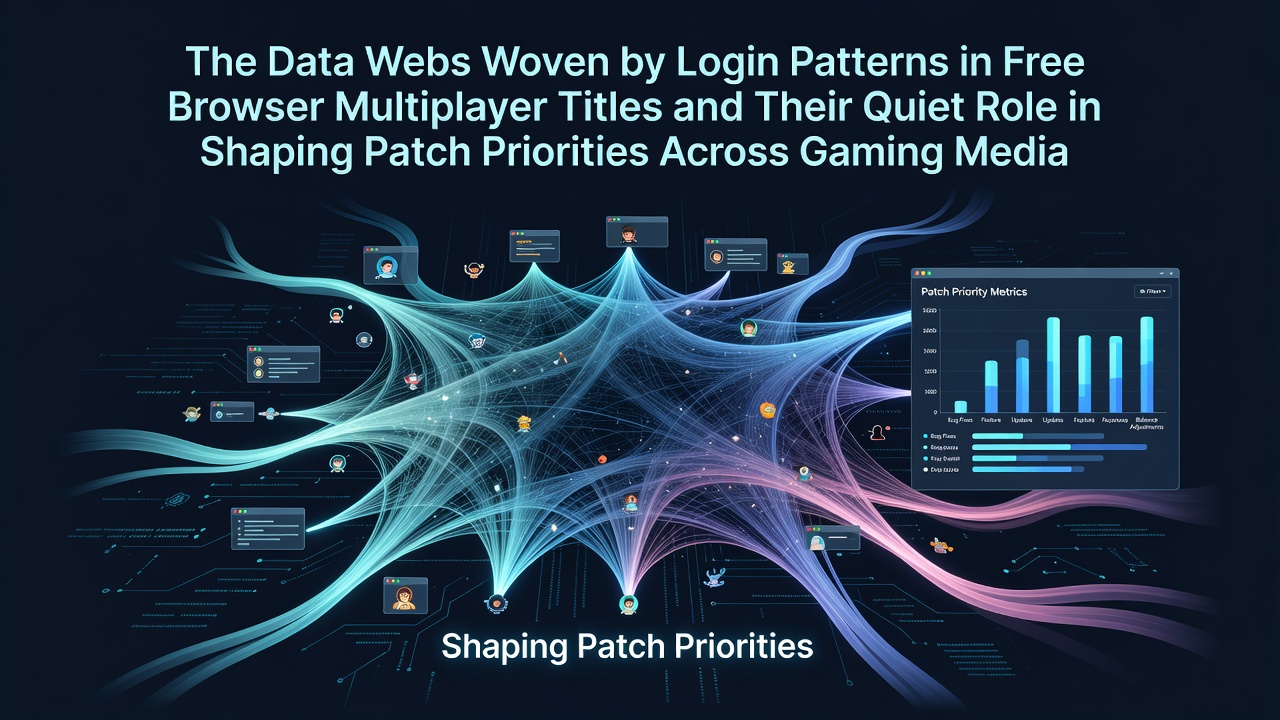
The Data Webs Woven by Login Patterns in Free Browser Multiplayer Titles and Their Quiet Role in Shaping Patch Priorities Across Gaming Media
Login patterns in free browser multiplayer titles generate extensive datasets that track player entry times, session durations, and mode preferences across thousands of daily accounts, and these records feed directly into development pipelines where studios allocate resources for updates. Developers monitor recurring login spikes during specific hours in June 2026 to identify which game modes retain users longest while they adjust patch schedules accordingly. The resulting priorities often determine which fixes reach live servers first since high-traffic periods reveal friction points that affect retention metrics most sharply.
Tracing Entry Records to Development Decisions
Registration timestamps and repeated logins create detailed maps of user behavior in cost-free web arenas, allowing teams to spot emerging trends such as sudden increases in cooperative play sessions or drops in certain competitive formats. When login clusters form around particular features, studios redirect engineering effort toward those areas because the data shows clear connections between access frequency and player continuation rates. Observers note that this process operates quietly behind public patch notes, yet the patterns steer which content receives attention in subsequent weeks.
Studies from research institutions in Canada have documented how aggregated login trails correlate with update cycles in browser-based environments, revealing that modes with consistent evening access see faster iteration than those with sporadic daytime engagement. These findings align with reports issued by the Interactive Software Federation of Europe that examined similar datasets across multiple platforms, confirming that entry rhythms influence resource distribution more than isolated feedback submissions alone.
Media Coverage Shifts Tied to Login-Driven Patches
Gaming outlets frequently highlight patches that address issues in high-login modes because those updates generate measurable discussion volume and return traffic from previously active accounts. In June 2026, several browser titles released adjustments to matchmaking systems following documented peaks in simultaneous logins, and coverage followed quickly as journalists referenced the same engagement spikes that prompted the changes. This alignment occurs because media monitoring tools often pull from public telemetry summaries that reflect the same login aggregates developers use internally.
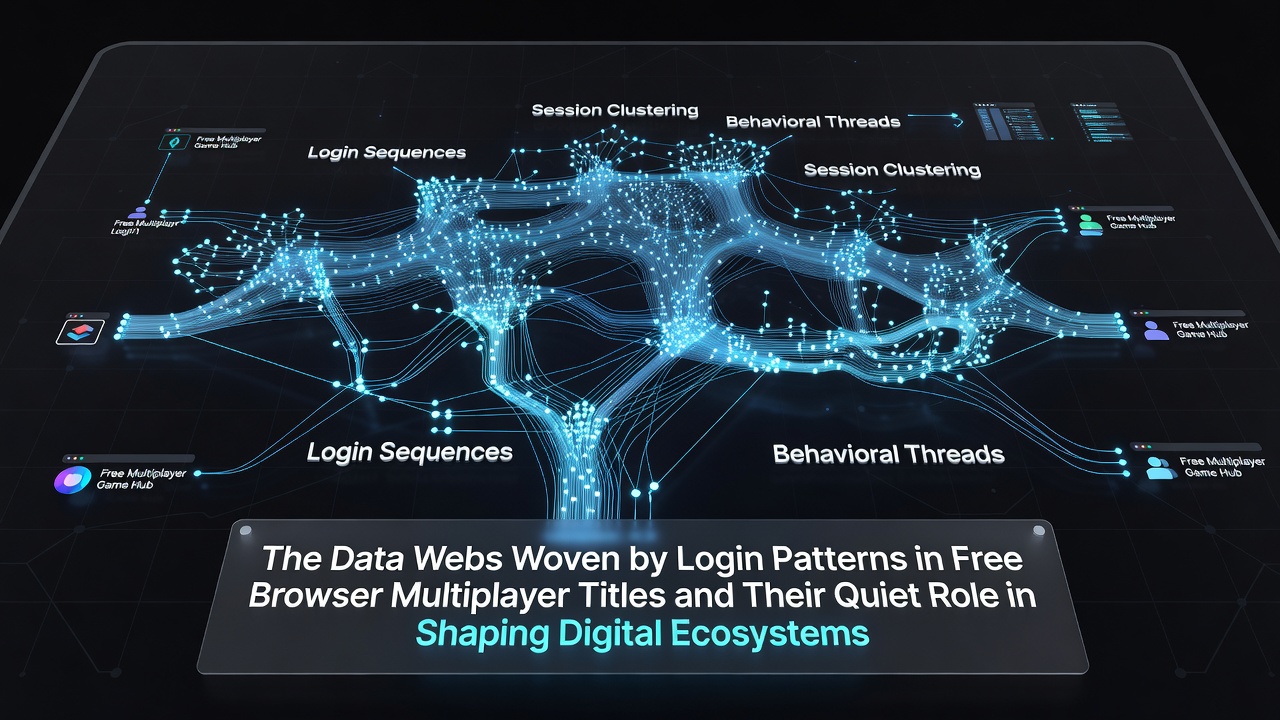
Editorial teams at major sites track which patches coincide with login surges because those releases tend to produce sustained reader interest, creating a feedback loop where reported updates reinforce the visibility of data-informed priorities. Researchers at Australian universities have tracked this dynamic through content analysis of gaming publications, finding that articles referencing login-related fixes appear more often when session data indicates broad adoption of newly patched elements.
Quiet Mechanisms Linking Accounts to Priorities
Persistent profiles in these free environments store cumulative login histories that reveal long-term preferences, enabling studios to forecast which upcoming features will attract returning players and therefore merit earlier implementation. When certain account cohorts demonstrate repeated access to specific arenas, patch teams prioritize stability improvements for those spaces since the records demonstrate ongoing investment from core user segments. The process remains largely invisible to players, yet it shapes the sequence of releases that gaming media subsequently covers in roundups and feature lists.
Industry organizations in the United States have compiled anonymized datasets showing that titles incorporating login pattern analysis into their workflows release targeted updates at higher frequency than those relying solely on manual reports. These compilations further indicate that media attention concentrates around patches informed by such analysis, because the resulting changes produce clearer before-and-after engagement contrasts that lend themselves to narrative framing.
Conclusion
Login patterns continue to serve as foundational inputs for both patch scheduling in free browser multiplayer titles and the selection of topics that receive prominent placement in gaming media. The connections between entry data, development focus, and coverage decisions operate through measurable correlations that multiple research groups have examined across regions. As these systems evolve, the influence of registration rhythms on resource allocation and reporting priorities remains a consistent factor in how updates reach players and audiences.