Account Creation Timelines Shape Reporting Priorities in Browser-Based Multiplayer Arenas
Kai Krüger · Jul 17, 2026
Account Creation Timelines Shape Reporting Priorities in Browser-Based Multiplayer Arenas
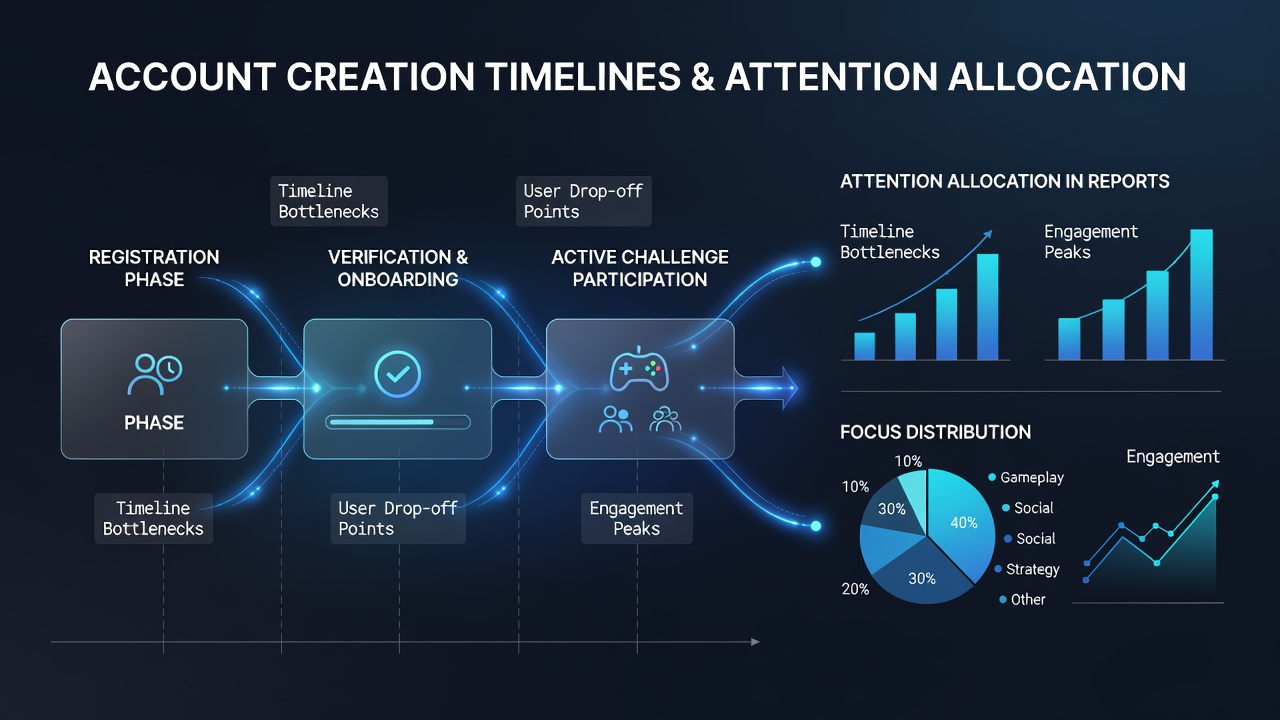
Account creation dates in browser-based multiplayer games often determine which player activities receive coverage in gaming reports and industry updates. Registration timelines create measurable patterns that influence how editors and analysts distribute attention across daily challenges, leaderboard climbs, and emerging competition modes. Data from multiple platforms shows that accounts opened during peak signup windows tend to appear more frequently in trend summaries issued between January and July 2026.
Registration Windows and Editorial Focus
Observers tracking free browser titles note that clusters of new accounts formed in early 2025 aligned with expanded coverage of puzzle-race hybrids and tactical duel formats. Those registration periods produced sustained player cohorts whose challenge completions fed into recurring storylines across news cycles. Reports issued in July 2026 continued to reference these earlier cohorts when highlighting shifts toward cooperative modes and time-limited events. Analysts cross-reference signup logs with content calendars and find consistent overlaps between high-volume registration months and subsequent feature allocations.
Data Patterns Across Platforms
Figures collected from several cost-free web arenas reveal that accounts created within the first month of a title's launch capture disproportionate shares of challenge-related mentions. Later registrations, even when accompanied by strong performance, surface less often in aggregated reviews unless they coincide with major platform updates. Research compiled by the Interactive Games and Entertainment Association indicates that early adopters generate the majority of traceable leaderboard data points used in quarterly trend assessments. This distribution holds across regions, from North American servers to European and Australian instances.
Platform operators publish anonymized registration timelines that journalists then map against coverage volume. The resulting correlations show that attention flows toward cohorts whose creation dates fall inside narrow windows, typically the first six to eight weeks after launch. Accounts registered afterward require exceptional win streaks or cross-game participation to reach similar visibility thresholds.
July 2026 Reporting Trends
Updates published in July 2026 continued this established pattern. New browser titles launched in spring of that year saw their earliest registrants dominate mentions of daily challenge mechanics and leaderboard positioning. Later signups from May and June received coverage only when aggregated data revealed unusual retention rates or cross-title movement. Editorial teams at multiple outlets cited registration density as a practical filter when selecting which player milestones to feature.
Industry Data Sources and Allocation Methods
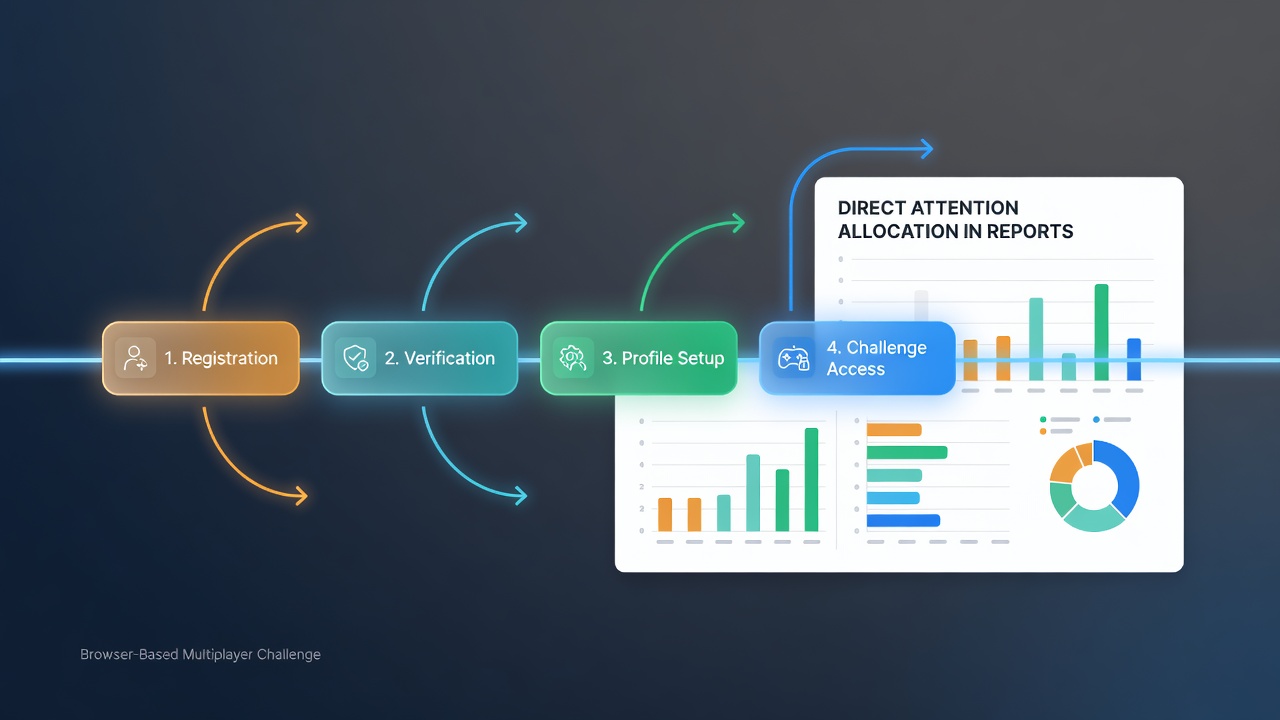
Trade organizations and research groups supply the raw datasets that shape these decisions. Reports from the Entertainment Software Association provide quarterly breakdowns of browser gaming participation that include registration timing. Academic studies conducted at institutions such as the University of Melbourne have examined how signup sequences affect visibility in competitive web environments. These sources supply verifiable numbers rather than anecdotal observations, allowing reporters to allocate space according to measurable cohort strength.
Editors routinely compare registration curves against challenge completion rates. When early cohorts maintain high activity levels, coverage of their achievements expands. Later cohorts must demonstrate statistically significant deviations from established patterns before similar resources are committed. This approach appears in both independent outlets and larger industry publications operating across multiple continents.
Practical Implications for Challenge Coverage
Game developers adjust event scheduling partly in response to these reporting dynamics. Titles that front-load onboarding incentives often see their initial player groups featured more prominently in subsequent analyses. Conversely, titles that spread registrations more evenly across months experience steadier but less concentrated attention in coverage. Observers tracking these interactions note that registration rhythm functions as an implicit signal for resource allocation within gaming journalism.
Cross-referencing of signup dates with content archives demonstrates repeatable outcomes. Accounts opened during concentrated bursts generate more data points per reporting period, which in turn increases the likelihood that those data points appear in published summaries. This feedback loop operates independently of individual player skill and rests instead on temporal distribution of account creation.
Conclusion
Registration timelines supply a structural variable that shapes how attention moves through reports on browser-based multiplayer challenges. The patterns documented through mid-2026 show that early account creation continues to correlate with higher visibility in challenge-related coverage. Industry datasets and academic examinations confirm these relationships across platforms and regions, providing editors with quantifiable criteria for deciding which player activities merit inclusion. As new titles enter the market, the same timeline-driven allocation process is expected to persist.